Radon does not announce itself. You cannot see it, smell it, or taste it, and it can build up to dangerous levels in your home without a single warning sign. That is exactly what makes it so dangerous. Radon is the second leading cause of lung cancer in the United States and the number one cause among people who have never smoked.
What Is Radon and Where Does It Come From?
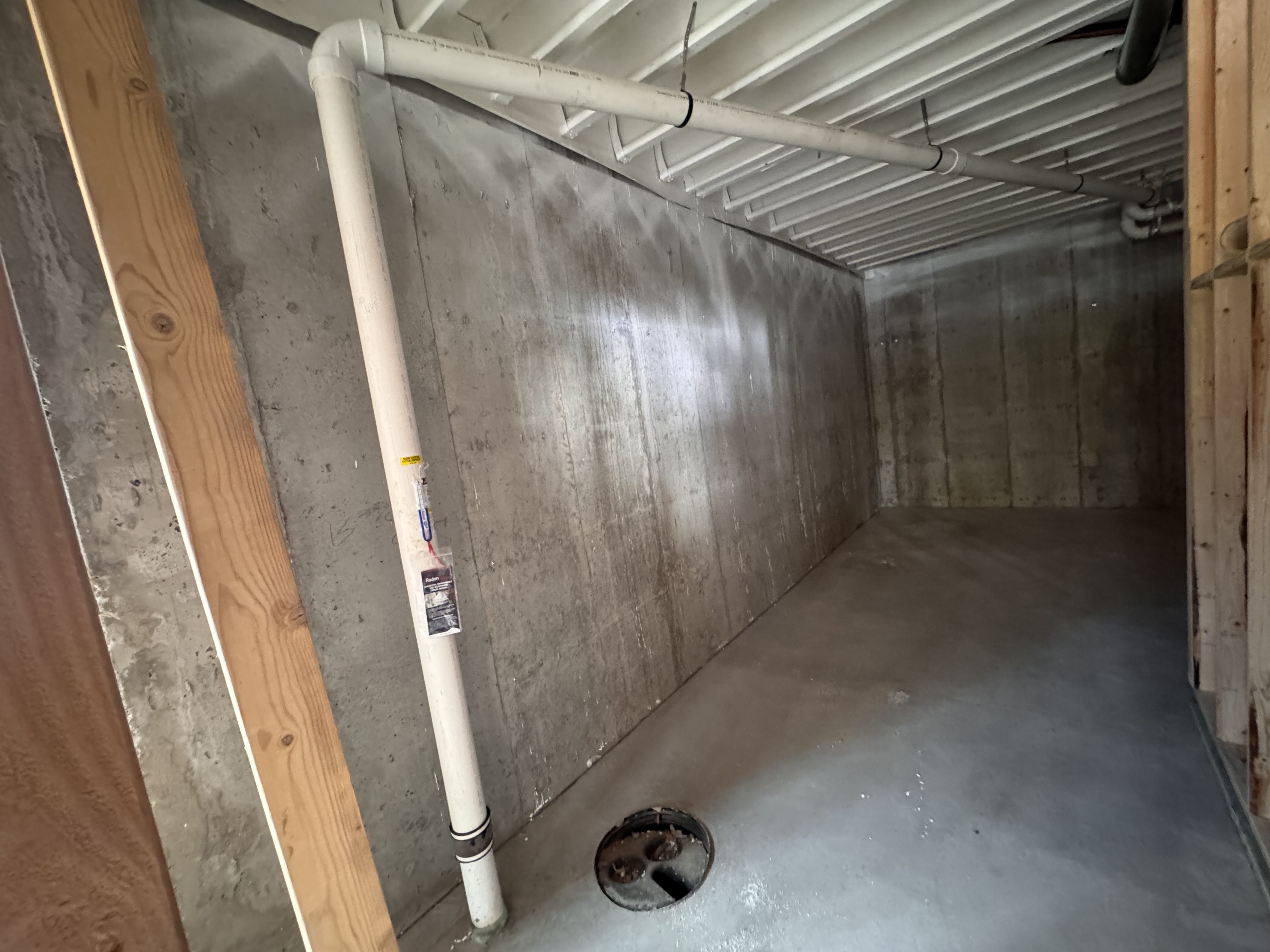
Radon is a naturally occurring radioactive gas produced when uranium in soil and rock breaks down. It rises up from the ground and enters your home through cracks in the foundation, gaps around pipes, sump pits, and other openings. Because Denver homes sit on uranium-rich Front Range soil, radon has plenty of opportunity to seep inside and accumulate, especially in lower levels of the home.
Why Denver Is a High-Risk Area
The EPA places all of Colorado in Radon Zone 1, meaning the predicted average indoor radon level is the highest in the nation. Studies have repeatedly found that a large share of Denver-area homes test above the EPA action level of 4.0 pCi/L. Newer, tightly sealed homes can actually trap radon more effectively, so a modern build is no guarantee of safety.
The only way to know if radon is in your home is to test for it. There are no symptoms until it is too late.
The Warning Signs (There Are None)
This is the hard truth about radon: there are no warning signs. Unlike a gas leak or mold, radon gives you nothing to notice. The health effects, primarily lung cancer, develop silently over years of exposure. That is why testing is the only reliable way to protect your family.
- Test your home, especially if you have never done so or it has been more than two years.
- Pay attention during real estate transactions, when a radon test is often part of inspection.
- Re-test after major renovations or foundation work that could change airflow.
- Do not assume a finished or new basement is radon-free.
What to Do If Your Levels Are High
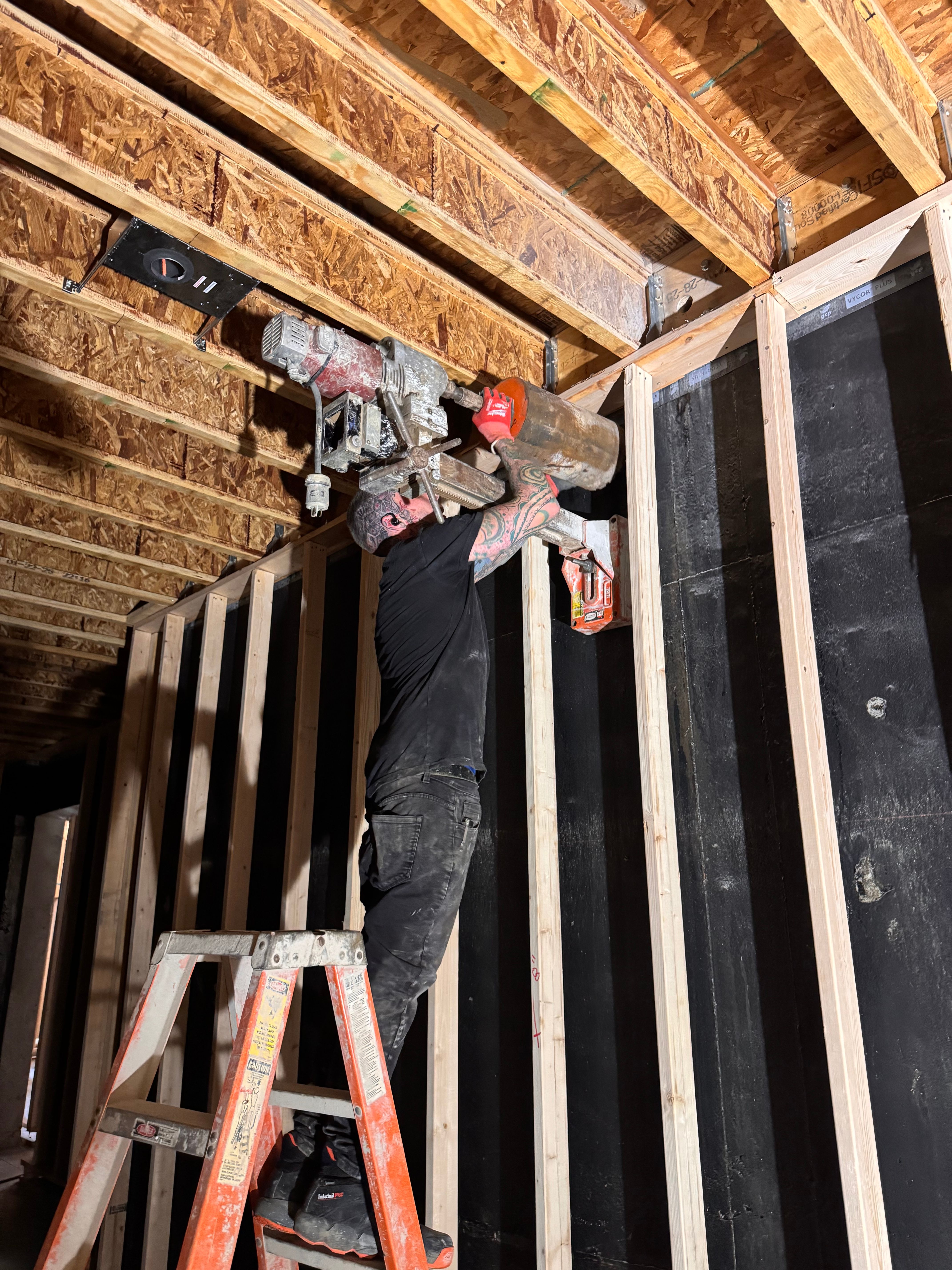
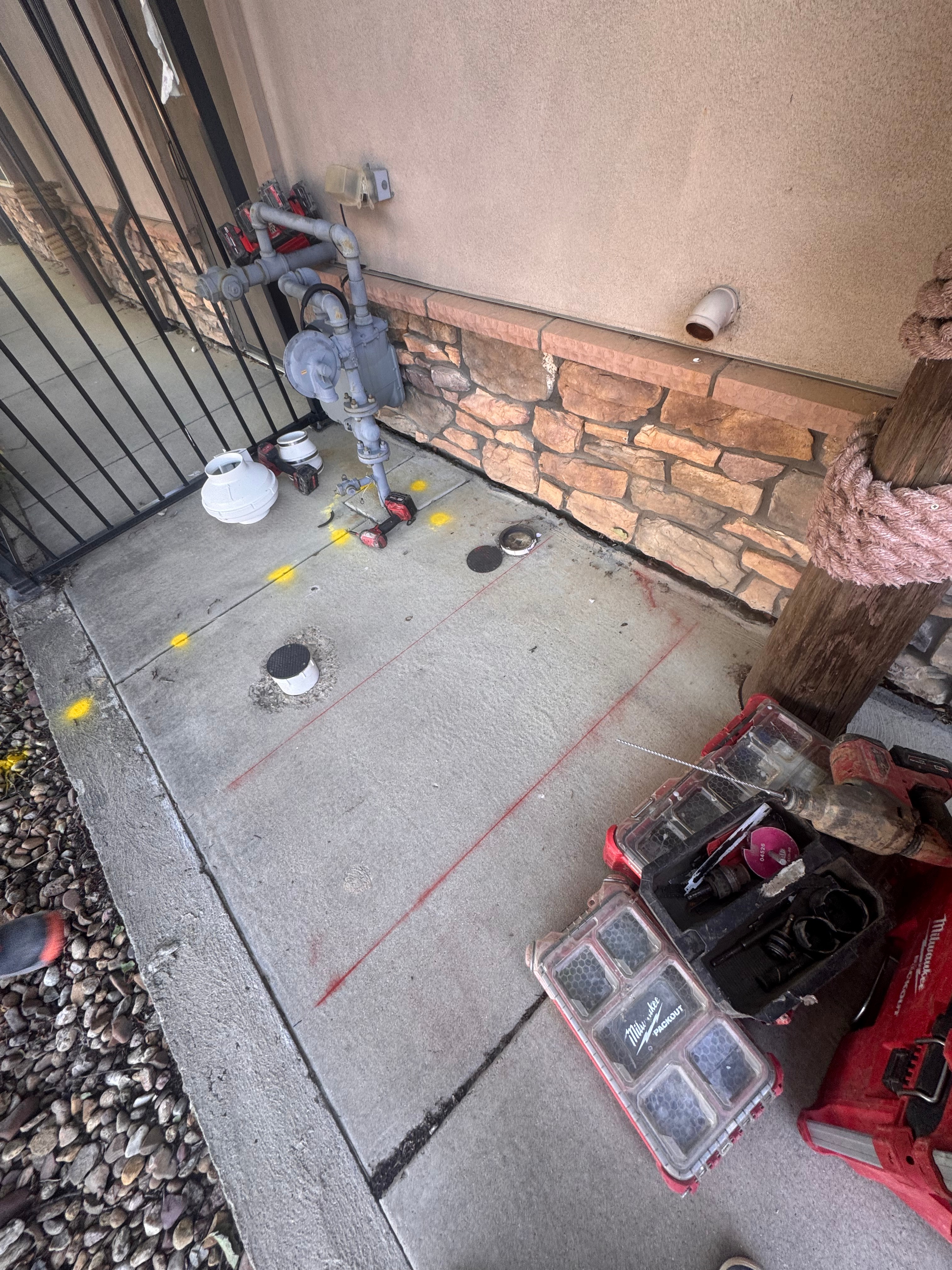
If your test comes back at or above 4.0 pCi/L, do not panic. Radon is one of the most treatable home hazards there is. A professionally installed mitigation system actively vents radon out of your home and keeps it from re-entering, typically reducing levels by 90 percent or more. Most systems are installed in a single 3 to 4 hour visit.
At Custom Radon, we make it simple: schedule a free in-person estimate, get a complimentary test kit, and let our certified team handle the rest. We guarantee levels below 4.0 pCi/L and back every install with a lifetime warranty. Protecting your family starts with a single phone call.
Worried About Radon in Your Home?
Get a free in-person estimate and a complimentary test kit. We guarantee levels below 4.0 pCi/L, backed by a lifetime warranty.
Get Your Free Estimate